Images and Ethics
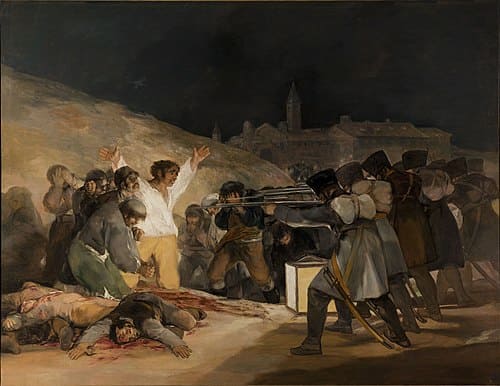
The intersections between images and ethics can be tackled from different angles. The first one is based on “the representationalist approach” to images. This approach analyses images in relation to their content, that is, on what they show. Consequently, the ethical dimension of images is evaluated according to what the image depicts. For instance, a photograph of someone torturing another person is an “unethical image” because it represents an action that cannot be approved by moral human reasoning. The problem of this paradigm is that it falls short in considering images only as representations or symbolic devices. It analyses images as abstract signs and not as cultural and social artifacts.
This leads us to the second perspective for analyzing the intersections between images and ethics. In this case, the focus of the analysis is not only put on the symbolic content of the image, but mainly on the actions undertaken with and through images in a specific cultural and historical context. What is ethical here is not the content of the images but what people do with them. Of course, both senses are often related. To follow the previous example, torturing is an unethical act, but the image of a torture used as visual evidence in a trial against slavery may turn it into an ethical device. In other words: we may use “unethical images” for ethical purposes –thus turning them into ethic devices.
Finally, we can approach the relationship between images and ethics by considering images as social agents themselves. This is a non-anthropocentric approach to images, which aims at de-centering the human in the study of the visual. This approach assumes that not only what humans (or other animals) do things with images but also images can “do” things with humans, and that this action may possess as well a moral dimension. Take the example of the visual commercial spam that we accidentally see on Internet. This malware content clearly illustrates the (partial) autonomy of images as social agents. Indeed, we do not choose to see these images –yet they “come to us” unexpectedly, carrying with them a set of moral and epistemological values (deception, search for financial benefit, sometimes use of sexual content as a trap for gaining digital traffic, and so on). Images appear as independent social agents “wanting things from us” (Mitchell, 2005). There are less malicious examples of the idea of images as autonomous social agents. Old photographs of beloved people who passed away which inhabit our homes are a sort of religious icons endowed with strong subjectivity. When we look at them, we often realize that these “want” to be remembered.
In the Visual Trust project, we have been interested in exploring the intersections between the three above-mentioned paradigms involving ethics, epistemology, and images . Without omitting the importance of the representationalism approach (which analyses the content of the image), we mainly focused on investigating, through visual methods, what people do with images and through them, and how it shapes relationships of trust and mistrust. For doing so, we considered images not only as visual signs, but mainly as social agents potentially endowed with a strong personality and capacity for action.
Back to the list